

BOLO: New Ransomeware for Macs: “OSX.ThiefQuest” - Yes Virginia, Mac Computers get viruses too!
/
Are you prepared for a ransomeware hit?
Read MoreAre you prepared for a ransomeware hit?
Read More
Copyright Zoom
Over the past several months, Zoom was pretty well beaten up due to some security flaws that were discovered in its platform. This unveiling occurred and became prominent in the public forum, most likely due to the increased use of the service given the COVID-19 pandemic. Believe it or not, this was a good thing!
The exposure of these flaws gave Zoom an opportunity - it could either sink or swim. It appears that it decided to swim. They have added increased encryption, more straightforward means of reporting abusers, the ability to chose data centers (for those concerned about China listening in), increase password security, cloud recording security, and other tweaks.
In the end, it's your call whether you will use this or other platforms. Your boss, court, or opposing counsel may have a say in this. But, the deadline to update was May 30, 2020. If you haven't updated your Zoom to 5.0, you won't be able to participate in Zoom conferences.
Click here to update!

I was disturbed to read in Buzzfeed that some VPNs and ad blockers are harvesting our data. Recall, VPN stands for Virtual Private Network. Recall last April, I had blogged about the importance of using a VPN when using public Wi-Fi, e.g., a court’s public Wi-Fi, Starbucks, an airport, etc. A reputable VPN will help ensure prying eyes are unable to see into our internet activity or gain access to our computer. This should never come at a cost to the user’s information. Ad blockers are used to prevent “ads” from popping up when we surf on the internet through our web browser.
The company Sensor Tower has made several VPN applications for the iPhone and Android operating systems. But their apps may be doing more than just providing a VPN: “Once installed, Sensor Tower’s apps prompt users to install a root certificate, a small file that lets its issuer access all traffic and data passing through a phone. The company told BuzzFeed News it only collects anonymized usage and analytics data, which is integrated into its products. Sensor Tower’s app intelligence platform is used by developers, venture capitalists, publishers, and others to track the popularity, usage trends, and revenue of apps.” But when you give access like this, you are putting your information and maybe your clients’ confidential information “at significant risk” of exposure to others.
I’d stay away from this developer’s programs.
And remember, just because it may be “free” does not mean it may come without a price later - a bar complaint for exposing confidential client information!
Let’s be safe out there!
The Wrong Google/Opera Plugin can lead to getting a virus on your computer and expose you to bar ethics’ issues.
Read MoreRemove Phone Applications that have Hidden Adware!
Read More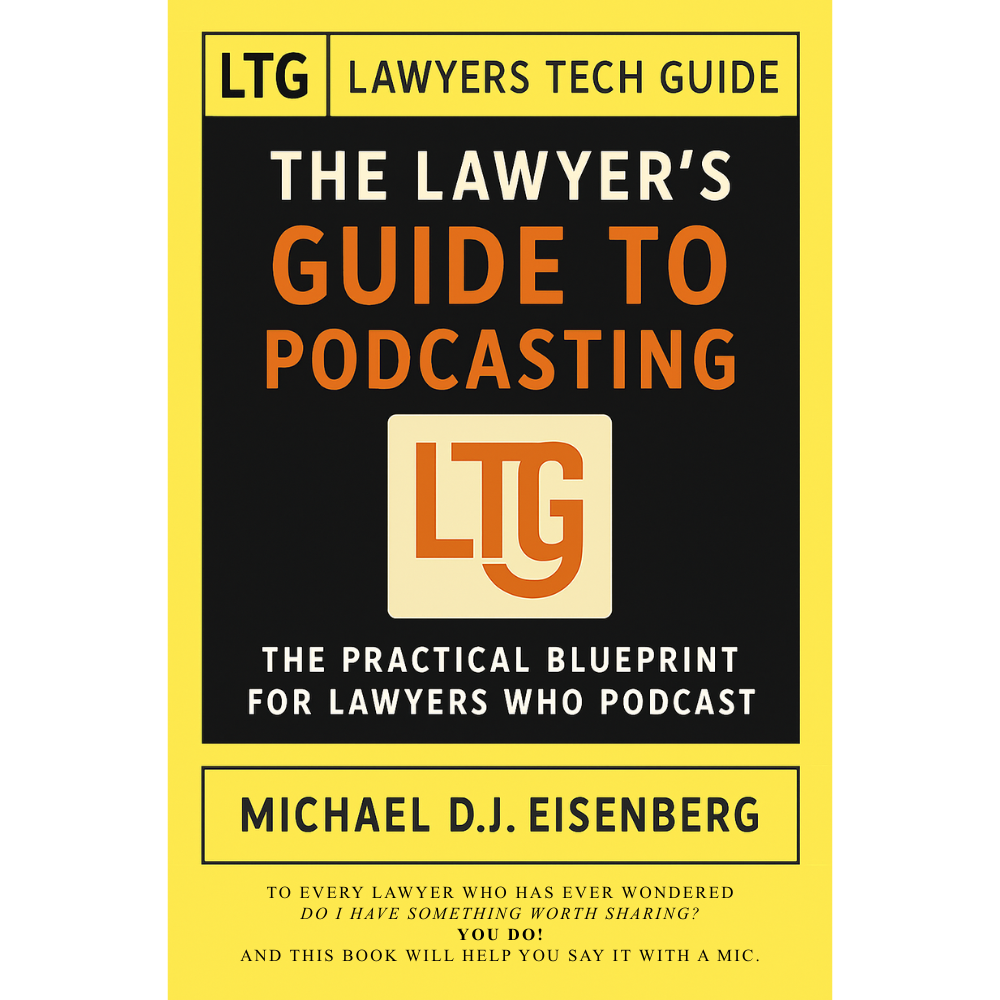









MICHAEL D.J. EISENBERG IS A WASHINGTON, DC LEGAL PROFESSIONAL WHO LOVES HIS TECH.

I've spent decades helping lawyers—young and old—tackle their tech challenges. Now, I’m bringing that knowledge to a broader audience with this blog. My posts are inspired by real questions I’ve been asked and the trends shaping the future.
Whether you're a tech novice or a pro, you'll find practical insights here to streamline your legal practice and improve your daily life. Let’s make technology work for you, not against you. 😀
The Tech‑Savvy Lawyer.Page blog and podcast are for informational and educational purposes only. The content reflects the insights and opinions of a legal professional with extensive experience in law and technology. Nothing published on this site or shared through the podcast should be construed as legal advice, nor does it create any attorney‑client relationship.
Readers and listeners should consult a licensed attorney for legal advice tailored to their specific circumstances. References to software, services, or products are provided for discussion purposes only and do not constitute endorsements, guarantees, or warranties.
As required by the IRS and FTC, please note that this blog and podcast may include affiliate links. The Tech‑Savvy Lawyer.Page may earn a commission from qualifying purchases or referrals, at no additional cost to you.


